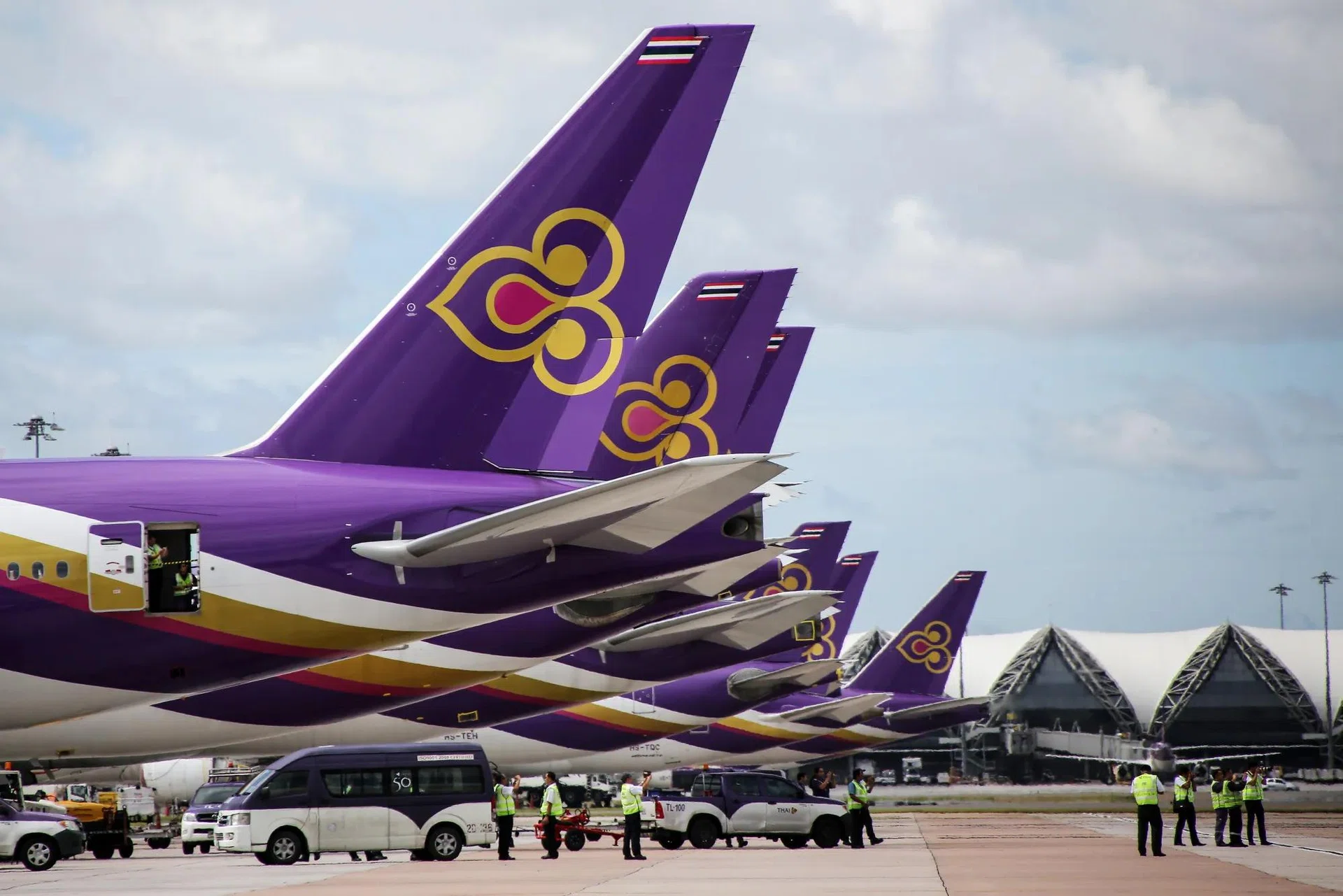
Thai Airways International (THAI) is embarking on an ambitious journey to solidify its position as a leading regional aviation powerhouse. With a strategic focus on the vibrant and ever-growing Asian market, the airline is implementing a comprehensive network expansion plan designed not only to boost its bottom line but also to cement Bangkok's status as a premier gateway connecting Asia to the rest of the world. This aggressive thai airways expansion asien strategy is a clear signal of the carrier's renewed strength and determination following its recent restructuring.
Charting a Course for Dominance: THAI's Vision for Asia
Under the astute leadership of CEO Chai Eamsiri, Thai Airways is not merely expanding; it's strategically positioning itself for sustainable long-term growth. Eamsiri's vision is clear: to transform THAI into a pivotal regional hub, facilitating seamless travel between Asia and continents far beyond. This multi-faceted strategy addresses several key objectives:
- Boosting Passenger Numbers: Counteracting the traditional low season dips by offering more attractive flight options and frequencies.
- Optimizing Slot Utilization: Ensuring that valuable airport slots are used efficiently, maximizing revenue potential.
- Mitigating Market Dependence: Diversifying its network to reduce reliance on a limited number of routes, thereby enhancing resilience against market fluctuations.
The heart of this strategy lies in a significant thai airways expansion asien, particularly across key growth markets that promise high returns and strong connectivity. By leveraging its central geographical location, THAI aims to become the preferred choice for travelers navigating the complexities of regional and intercontinental travel.
Unlocking the Dragon: Strategic China Expansion
Central to THAI's regional aspirations is a formidable expansion into the lucrative Chinese market. China represents an immense pool of travelers, both for tourism and business, and THAI is committed to capitalizing on this potential. Currently, the airline serves five major Chinese cities:
- Shanghai
- Beijing
- Chengdu
- Kunming
- Guangzhou
These routes collectively account for 42 weekly flights, but this is just the beginning. For the upcoming 2025–2026 winter schedule, THAI plans a dramatic increase in flight frequencies. The popular Guangzhou and Beijing routes are slated to double their frequencies from seven to an impressive 14 flights per week. This move alone will significantly enhance connectivity to two of China's most important economic and cultural centers.
Beyond increasing existing frequencies, THAI is also reactivating crucial routes and forging new connections:
- Resumption of Services: Xiamen, Chongqing, and Changsha will each see a welcome return with seven weekly flights. These cities are vital economic hubs with significant outbound travel potential.
- New Routes: Wuhan and Shenzhen are set to join THAI's network, further broadening its reach into dynamic Chinese metropolises. Shenzhen, in particular, is a major technology and innovation center, promising high-yield business travel.
This comprehensive push is projected to double THAI's flight capacity to China and deliver a substantial boost to revenue from this critical market. It's not just about attracting Chinese tourists to Thailand; these routes are strategically designed to serve as vital arteries for travelers from Europe and Australia, offering convenient transfer options through Bangkok. This network-driven approach underscores THAI's commitment to creating a seamless global travel experience, where Bangkok acts as the efficient interchange point. Current load factors on Chinese routes, hovering around 70% in the low season and climbing to approximately 80% during peak times, demonstrate a robust demand that this expansion is poised to capture and grow.
Traveler's Insight: For passengers traveling between Europe/Australia and China, THAI's expanded network through Bangkok offers increased flexibility, potentially shorter layovers, and the opportunity to experience Bangkok's vibrant culture during a stopover. Keep an eye out for promotional fares as THAI aims to fill these new and increased capacity flights.
Broadening Horizons: India, Domestic, and Fleet Reinforcement
While China forms a cornerstone of the thai airways expansion asien, the airline is also looking to other high-growth markets, notably India, and reinforcing its domestic connectivity. India, with its rapidly expanding middle class and increasing outbound travel, presents another significant opportunity. THAI plans to launch new services to Gaya, a city of immense religious significance for Buddhist pilgrims, tapping into a distinct and growing travel segment.
Simultaneously, THAI will introduce several new domestic routes as it takes delivery of new aircraft, strengthening its internal network and feeding passengers into its international hub in Bangkok. This integrated approach ensures that regional travelers within Thailand have better access to THAI's global connections.
Powering the Expansion: Fleet Modernization and Growth
A bold expansion strategy demands an equally ambitious fleet plan. THAI is undergoing a significant fleet modernization and growth program to support its increased operations:
- Current Fleet: THAI currently operates a diverse fleet of 78 aircraft, comprising 58 wide-body and 20 narrow-body jets across six different types.
- Immediate Additions (2024): An Airbus A321neo is scheduled to join the fleet by the end of this month, with another A321neo and a Boeing 787-9 arriving by year-end. These new aircraft are critical for bolstering capacity on the newly expanded Chinese and Indian routes.
- Near-Term Growth (2025-2026): Starting next year, THAI will receive 15 additional A321neos, further boosting its narrow-body capacity for regional and domestic flights.
- Bridging the Gap: To meet immediate capacity needs before these new aircraft arrive, THAI is actively considering leasing 8–10 wide-body aircraft for six years, with a decision anticipated soon. This proactive step ensures that the expansion plans aren't hampered by temporary fleet shortages.
- Cabin Enhancements: Parallel to fleet growth, cabin refurbishments are underway across the Airbus A320, Boeing 777-300ER, and Airbus A350 fleets. This initiative aims to standardize in-flight services, ensuring a consistent and premium passenger experience across the network.
Looking further ahead, THAI has cemented its long-term commitment to a modern and efficient fleet with firm orders for 45 state-of-the-art Boeing 787 Dreamliners, powered by GEnx engines. The first nine of these highly efficient wide-body jets are slated for delivery in 2028. This long-term planning underscores THAI's vision for sustained growth well into the next decade.
The airline's ambitious long-term target is to reach a fleet size of 150 aircraft by 2033. This impressive figure will comprise a mix of highly capable aircraft types, including:
- 17 Boeing 777-300ERs
- 17 Airbus A350-900s
- 64 Boeing 787s (Dreamliners)
- 52 Airbus A321neos
This carefully curated fleet ensures THAI can efficiently serve a diverse range of routes, from short-haul regional hops with the A321neos to ultra-long-haul intercontinental flights with the Dreamliners and A350s. This strategic acquisition and leasing plan is fundamental to supporting THAI's goal of achieving robust growth and market dominance in the context of its comprehensive thai airways expansion asien.
Industry Perspective: Fleet commonality (using fewer aircraft types) helps reduce maintenance costs, simplifies crew training, and improves operational efficiency. THAI's mix of Boeing 787s and Airbus A350s for wide-body, alongside A321neos for narrow-body, balances these factors while offering flexibility.
Navigating Passenger Trends and Future Growth
Understanding evolving passenger booking trends is crucial for any airline. THAI's CEO notes a distinct shift in booking behavior, particularly among Asian travelers. Historically, Asian passengers might have booked tickets well in advance, but current trends show bookings typically occur only three to four months ahead of travel, often spurred by promotional sales. This contrasts with European passengers, who largely maintain their habit of booking around six months or more in advance. These insights enable THAI to fine-tune its revenue management and marketing strategies, offering targeted promotions to capture the spontaneous Asian market while securing early commitments from European travelers.
Beyond direct flights, THAI is also collaborating closely with Airports of Thailand to proactively promote Bangkok as an appealing transit hub. This initiative goes beyond simple connections, aiming to entice passengers with attractive stopover options. By encouraging longer layovers, THAI not only enhances its own revenue through connecting flights but also contributes significantly to Thailand's tourism sector, benefiting hotels, local businesses, and the wider economy.
This holistic approach to the thai airways expansion asien integrates fleet investment, network growth, and a deep understanding of market dynamics, all while leveraging Bangkok's strategic geographical advantage.
Thai Airways' aggressive expansion strategy is a testament to its resurgence and its unwavering commitment to becoming a dominant force in Asian aviation. By focusing heavily on high-growth markets like China and India, bolstering its fleet with modern, efficient aircraft, and intelligently adapting to evolving passenger trends, THAI is poised for a significant uplift. This comprehensive thai airways expansion asien not only promises enhanced connectivity and increased travel options for millions but also solidifies Bangkok's pivotal role as a global aviation crossroads. As the airline progresses towards its ambitious target of 150 aircraft by 2033, travelers can anticipate a more connected, comfortable, and expansive network from the Kingdom's national carrier, cementing its status as a true regional hub.