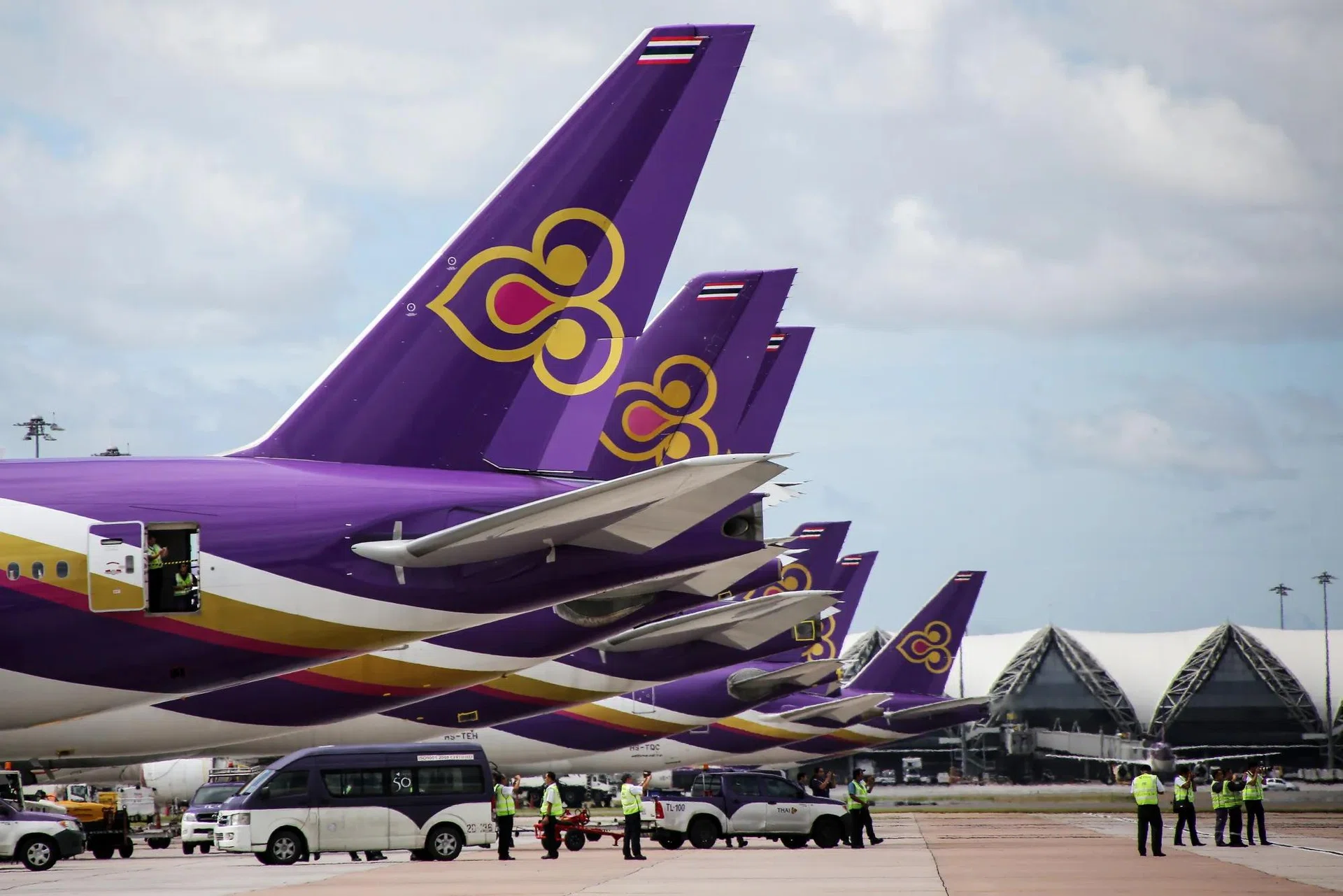
A Bold Vision for Asian Dominance: THAI Airways' Strategic Expansion
Thai Airways International (THAI) is charting an ambitious course, aiming to expand its fleet to a formidable 150 aircraft by 2033. This aggressive Thai Airways expansion across Asia is not merely about increasing capacity; it's a meticulously crafted strategy to cement the airline's position as a dominant regional hub, seamlessly connecting Asia with the rest of the world. Under the leadership of CEO Chai Eamsiri, THAI's efforts are geared towards sustainable growth, optimizing existing resources, and diversifying its market reach to mitigate reliance on a few key destinations.
The airline's strategic blueprint goes beyond simply acquiring new planes. It focuses on boosting passenger numbers, particularly during the traditionally slower low season, by enhancing slot utilization and offering more attractive flight options. This forward-thinking approach is crucial for THAI, especially as global travel patterns evolve. Interestingly, current booking trends reveal a distinct shift: Asian travelers now tend to book tickets only three to four months in advance, often influenced by promotional sales. In contrast, European passengers continue to plan their journeys well ahead, typically six months or more. THAI's strategy will need to adeptly cater to these differing booking behaviors, leveraging targeted promotions for the Asian market while maintaining consistent service for its long-haul European clientele.
Fueling Growth: THAI's Ambitious Fleet Modernization and Expansion
At the heart of THAI's grand vision is a substantial fleet overhaul and expansion program. Currently operating 78 aircraft, comprising 58 wide-body and 20 narrow-body jets across six types, the airline is already initiating immediate augmentations. An Airbus A321neo is set to join the fleet by the end of this month, followed by another A321neo and a Boeing 787-9 by year-end. These additions, primarily earmarked for the burgeoning Chinese and Indian markets, are expected to be operational by late 2024 or early 2025.
Looking further ahead, 2025 will see the arrival of 15 additional A321neos, significantly boosting narrow-body capacity. To bridge any immediate capacity gaps before these new aircraft are fully integrated, THAI is strategically considering the lease of 8–10 wide-body aircraft for a six-year term, with a decision anticipated shortly. This flexible approach ensures that the airline can meet growing demand without compromising its long-term fleet modernization goals.
The crown jewel of THAI's long-term fleet strategy is a firm order for 45 state-of-the-art Boeing 787 Dreamliners, powered by GEnx engines. The first nine of these highly efficient aircraft are scheduled for delivery in 2028, promising enhanced fuel economy and an elevated passenger experience. By mid-2027, THAI aims to return its fleet to pre-pandemic levels, with intermediate targets of 103 aircraft by 2026 and 116 by 2027.
The ultimate goal is an impressive 150 aircraft by 2033. This targeted fleet composition is designed for optimal network coverage and operational efficiency, comprising:
- 17 Boeing 777-300ERs: Reliable workhorses for long-haul, high-demand routes.
- 17 Airbus A350-900s: Modern, fuel-efficient wide-bodies ideal for key international connections.
- 64 Boeing 787 Dreamliners: The backbone of the future long-haul and medium-haul network, renowned for passenger comfort and operational efficiency.
- 52 Airbus A321neos: High-density narrow-bodies perfect for regional Asian routes and domestic expansion, offering significant capacity for growing markets.
This balanced mix of wide-body and narrow-body jets will provide THAI with unparalleled flexibility to serve a diverse range of routes, from short regional hops to extensive intercontinental journeys, bolstering its capacity for Thai Airways Accelerates Asia Expansion with Major China Flight Boost.
Unlocking Asia: A Deep Dive into Network Expansion
The aggressive fleet growth is intrinsically linked to THAI's ambitious network expansion, with a particular emphasis on the booming Asian market. China stands out as a pivotal focus. Currently, THAI serves five major Chinese cities—Shanghai, Beijing, Chengdu, Kunming, and Guangzhou—with 42 weekly flights. The airline plans a significant ramp-up for the 2025–2026 winter schedule:
- Doubled Frequencies: Flights to Guangzhou and Beijing will increase from seven to 14 per week.
- Resumed Services: Routes to Xiamen, Chongqing, and Changsha will be reinstated, each with seven weekly flights.
- New Destinations: THAI will launch services to Wuhan and Shenzhen, further extending its reach.
This extensive expansion is projected to double THAI's flight capacity and revenue from the lucrative Chinese market. These routes are vital not only for attracting Chinese travelers but also for positioning Bangkok as a premier transit hub for passengers from Europe and Australia connecting onwards into China and other Asian destinations. Current load factors on Chinese routes, averaging 70% in the low season and 80% during peak times, underscore the existing demand and the potential for increased profitability.
Beyond China, THAI is also looking to bolster its presence in India, with new services planned for Gaya. Furthermore, the airline will introduce several new domestic routes as it receives its new aircraft, enhancing connectivity within Thailand and feeding its international hub in Bangkok. In a strategic move to solidify Bangkok’s status as a leading transit hub, THAI is collaborating closely with Airports of Thailand. This partnership aims to promote Bangkok as an attractive stopover destination, encouraging passengers to extend their layovers and explore Thailand, thereby benefiting both the airline and the country's tourism sector.
Enhancing the Passenger Experience: Beyond the Routes
THAI's commitment to excellence extends beyond just expanding its fleet and network; it encompasses a significant investment in the passenger experience. Cabin refurbishments are currently underway across its Airbus A320, Boeing 777-300ER, and Airbus A350 fleets. This initiative aims to standardize in-flight services and product offerings, ensuring a consistent and premium experience for all passengers, regardless of the aircraft type or route.
The introduction of new aircraft like the Boeing 787 Dreamliners and Airbus A321neos will further elevate passenger comfort. These modern jets boast quieter cabins, advanced in-flight entertainment systems, and enhanced amenities, creating a more enjoyable and relaxing journey. For travelers, this means a more comfortable and predictable experience when flying with THAI.
Practical Tips for Travelers:
- If you're an Asian traveler eyeing a THAI getaway, keep an eye out for promotional sales, especially 3-4 months before your intended travel date. This aligns with current booking trends and can offer significant savings.
- European passengers continue to benefit from booking well in advance, typically 6 months or more, to secure preferred dates and fares.
- Consider utilizing Bangkok as a transit point for your onward journeys. THAI and Airports of Thailand's initiatives mean more seamless connections and potential opportunities for a rewarding stopover in the vibrant Thai capital.
- With fleet standardization and new aircraft, expect a consistently high level of service and comfort across THAI's expanding network.
THAI Airways' journey from a period of restructuring to this ambitious expansion plan highlights its resilience and clear vision for the future. By strategically investing in a modern fleet, aggressively expanding its network across Asia—particularly in China and India—and prioritizing a superior passenger experience, THAI is well-positioned not only to regain its former glory but to emerge as an even more dominant force in Asian aviation by 2033.